Kia Coolant System Service in Homestead, FL
Feel the Difference Proper Cooling System Repair Makes
A temperature gauge that creeps toward the hot side, or a wisp of steam from under the hood, means the engine is shedding heat more slowly than it makes it. At South Dade Kia Homestead in Homestead, FL, our service team tracks down the cause of that imbalance before replacing anything. We repair cooling systems on all makes and models, Kia or otherwise. Each visit starts with a pressure test, a coolant condition check and a look at every hose and connection. That way you know whether the fix is a clamp, a thermostat or something larger before you approve a single repair.
Getting to Know Your Cooling System
An engine turns only part of its fuel into motion, and much of the rest becomes heat that has to go somewhere. The cooling system handles that job by circulating a mix of antifreeze and water through passages in the engine block and cylinder head, then out to the radiator. Air passing through the radiator carries the heat away, and the cooled liquid returns to the engine for another lap.
A water pump, usually driven by the accessory belt or the timing drive, keeps coolant moving whenever the engine runs. The thermostat sits between the engine and the radiator and stays closed on a cold start so the engine warms quickly, then opens to send hot coolant to the radiator once operating temperature is reached. A pressure cap raises the boiling point of the coolant, and an overflow reservoir holds the extra volume as it expands and draws it back as it cools.
- The heater core is a small radiator behind the dash that borrows hot coolant to warm the cabin, so it shares the same fluid as the engine.
- Coolant is a blend of glycol and water, and the ratio matters because too much of either one weakens protection against boiling and corrosion.
- Rubber hoses link the engine to the radiator and heater core, and they soften, swell or crack from the inside before they look worn.
- A temperature sensor reports coolant heat to the engine computer and the dash gauge, and the computer uses that reading to adjust fueling and fan operation.
- Many modern radiators pair plastic end tanks with an aluminum core, and the crimped seam where they meet is a common place for slow seepage.
Pressure is the hidden half of the system. Sealing the coolant under pressure lets it stay liquid well past the point where plain water would boil, which gives the engine a safety margin in intense heat. A cap with a weak seal lets that pressure escape, so the coolant boils sooner and the system can overheat even with nothing else wrong.
A common belief is that any green or orange liquid will do when the reservoir looks low. Coolants use different inhibitor chemistry, and mixing incompatible types can form sludge or reduce the protection for aluminum parts. Plain water is not a lasting fix either, since it lacks rust inhibitors and boils sooner. The takeaway is to use the coolant type your manufacturer specifies and to ask why the level dropped in the first place.
What Wears Down Your Cooling System Over Time
The clearest warning is the temperature gauge rising above its usual spot, especially while idling or creeping through slow traffic. Steam from the engine bay, a sweet syrupy smell or a puddle of brightly colored fluid under the front of the car all suggest coolant is escaping.
Some causes are gradual, such as worn-out coolant that no longer protects metal surfaces, letting scale and corrosion clog the narrow tubes of the radiator. Others arrive suddenly, like a thermostat that sticks shut, a water pump bearing that fails or a hose that splits open on a hot afternoon.
- White exhaust smoke with a sweet smell, along with coolant that disappears without a visible leak, can point to an internal head gasket problem.
- A low coolant warning light or a reservoir level that keeps dropping means coolant is going somewhere, even if no puddle ever appears.
- Brown, rusty or oily coolant in the reservoir tells a technician the inhibitors are spent or that engine oil and coolant are mixing.
- A gauge that swings between cold and hot during normal driving often points to a thermostat that is sticking or air trapped in the system.
- Crusty white or colored deposits around hose ends and the radiator seams show where coolant has been seeping and drying in the heat.
Overheating is not always a coolant problem. A slipping belt, a radiator fan that never switches on, radiator fins packed with leaves and road grime or even a faulty temperature sensor can mimic the same symptoms. Pressure testing, a fan function check and a scan tool reading together narrow the cause before parts are replaced.
There is a practical side too, because a cooling fault tends to pick its moment, often in the slowest traffic on the hottest afternoon. Having the system checked when the gauge first behaves oddly means the repair happens on your schedule, nowhere near the shoulder of a busy road.
The Cooling System Services We Offer
Pressure testing, coolant exchange, thermostat work and radiator replacement are all handled here for all makes and models.
Cooling System Pressure Test
A hand pump pressurizes the cooling system to its rated pressure with the engine cool, and the gauge shows whether that pressure holds or bleeds away. While it is pressurized, we inspect the radiator, hoses, heater hose connections and water pump for drips or seepage. The radiator cap is tested on its own, since a cap that cannot hold pressure lets coolant boil early. If no external leak turns up, a combustion gas test of the coolant checks for a head gasket issue.
Coolant Exchange and Bleeding
When coolant tests weak or contaminated, we exchange it and refill with the type your vehicle's manufacturer calls for, including genuine Kia coolant for Kia models. Old coolant is captured for proper disposal rather than poured out. Air pockets are bled from the system, because trapped air can cause hot spots and erratic gauge readings. The finished mix is tested for boil protection and inhibitor strength before the car leaves.
Radiator, Hose and Thermostat Repair
A radiator with clogged tubes, a cracked plastic tank or a leaking seam is replaced with a unit matched to your vehicle. Swollen, soft or cracked hoses are replaced along with their clamps, and a thermostat that sticks open or closed is replaced with its gasket or housing as the design requires. Water pumps that weep or have a noisy bearing are replaced too, and your advisor may suggest a new drive belt at the same time where it makes sense. Every repair ends with a refill, a bleed and a fresh pressure check.
Why We Diagnose Before We Recommend
Cooling system diagnosis starts with a cold engine, because pressure testing and cap removal on a hot system are unsafe. A technician first asks when the gauge rises, at idle, on the highway or both, since the answer narrows the list of suspects. Coolant condition, level and smell are checked before anything is drained.
Picture a driver who notices the reservoir running low and assumes a radiator leak, so a new radiator seems like the answer. A pressure test shows the radiator is sound, and the coolant is actually seeping from the water pump, a drip that only appears once the engine is hot and the system is under pressure. Replacing the radiator would have left the real leak in place and the reservoir still dropping.
- Coolant strength and inhibitor condition are measured with a refractometer or test strips, because color alone can mislead.
- The radiator fans are commanded on with a scan tool to confirm they respond when the engine computer asks for more airflow.
- Upper and lower radiator hoses are compared by feel once the engine warms, since a cold lower hose on a hot engine suggests a stuck thermostat or a blockage.
- Your advisor reviews the test results and a written estimate with you, and no coolant is drained or part replaced until you say yes.
Once the repair is complete, the system is refilled and bled, then pressure tested again to confirm every connection holds. The engine is brought up to full operating temperature so the technician can watch the thermostat open and the fans cycle. A road test and a final check of the coolant level after the engine cools confirm the job is finished.
Drivers of all makes and models are welcome here, not only Kia owners. When the schedule and parts allow, hoses, thermostats and coolant exchanges can often be completed the same day. Parts such as a radiator or water pump are sometimes ordered in, and you will hear about that before the car is taken apart.
Cooling System Repair Appointments at South Dade Kia Homestead
The factory-trained technicians at South Dade Kia Homestead service the cooling systems on the Sportage, Sorento, Telluride, Seltos, Carnival and Soul. Kia diagnostic software lets them read live coolant temperature data, command the radiator fans and test an electronically controlled thermostat or thermal management valve where a model uses one. Coolant type, capacity and the bleeding procedure are confirmed against your VIN, because some engines need a specific fill sequence to purge trapped air.
A pressure test and coolant check usually fit into a single visit, and your advisor can give a realistic window once the results are in. Jobs that involve removing other components to reach a water pump or thermostat housing take longer, and we explain that before work starts so you can plan around it.
- Hoses and clamps showing their age can be replaced together, and your advisor can explain when that makes more sense than replacing one hose.
- If your engine has already run hot, your advisor can explain which follow-up checks make sense, such as a combustion leak test.
- Coolant that tests healthy is left in place, and the result is shown to you so you can see the reason for yourself.
Find South Dade Kia Homestead in Homestead, FL
Where Our Service Customers Come From
Slow traffic where Florida's Turnpike ends at US-1 in Florida City and the long drive south toward Key Largo both test a cooling system hard, especially under the summer heat index. Drivers from across south Miami-Dade bring their vehicles to South Dade Kia Homestead before those drives, ahead of any roadside overheat.
- Florida City, FL
- Redland, FL
- Goulds, FL
- Palmetto Bay, FL
- Pinecrest, FL
- Country Walk, FL
- Naranja, FL
- Modello, FL
Heading down to the Keys soon? Book a cooling system check before you go.
Questions Drivers Ask About Cooling System Repair
These answers cover common questions about engine temperature, coolant and overheating.
Q: What should I do if my engine starts to overheat while driving?
Q: Does the coolant in my car need to be changed if it still looks clean?
Q: Is the long drive to Key Largo hard on my cooling system?
Q: Should I flush the cooling system or just drain and refill it?
Q: Do you service cooling systems on vehicles other than Kia?
Phone the service desk and let an advisor know when the gauge rises and what you smell or see, and they will explain which cooling system checks fit those clues.
Even a rough description gives the technician a head start.
Set Up Your Cooling System Visit With South Dade Kia Homestead
Overheating rarely stays a small problem for long. A hose clamp or thermostat caught early is a modest repair, while an engine that keeps running hot risks a warped cylinder head and a failed gasket. Booking at the first odd gauge reading keeps the fix on the smaller side.
Nothing is drained, replaced or added until you have seen the test results and approved a written estimate. If an item can safely wait, your advisor will tell you that too.
Use the online scheduler, give the South Dade Kia Homestead service team a call or come by in person to set up a cooling system inspection. A check before your next long drive is time well spent.
Service Specials


Firestone
Up to $70 Prepaid Mastercard
Specific Model Lines

Bridgestone
$80 Prepaid Mastercard
Specific Model Lines

Yokohama
$80 Prepaid Mastercard
Specific Model Lines

Goodyear
$100 Prepaid Mastercard
Specific Model Lines

Cooper Tires
$80 Prepaid Mastercard
Specific Model Lines

Michelin
$80 Visa Reward Card
Specific Model Lines

BFGoodrich
$80 Visa Reward Card
Specific Model Lines
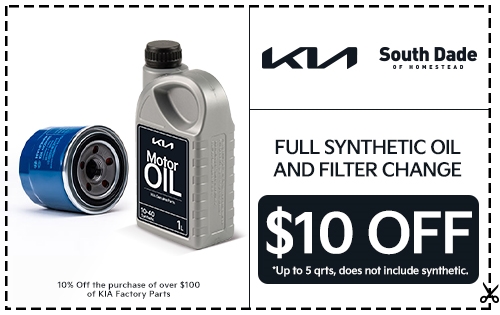
Full Synthetic Oil and Filter
Complimentary: Multi Point Inspection, Battery Check, Brake Inspection, Tire and Alignment Check

Pick Up & Delivery for Service
Add a Rental for $30 more! Deposit on Vehicle Additional

R&R Brake Pads & Turn Rotors
Special Promotional Price Starting at $369.00
Most Vehicles
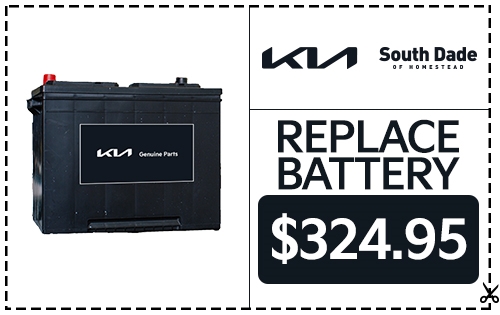
Replace Battery
Special Promotional Price Starting at $369.00
Most Vehicles

4 Wheel Alignment
Computerized four wheel alignment includes, adjusting the camber, caster, and toe angles of the suspension to factory specifications, if applicable.
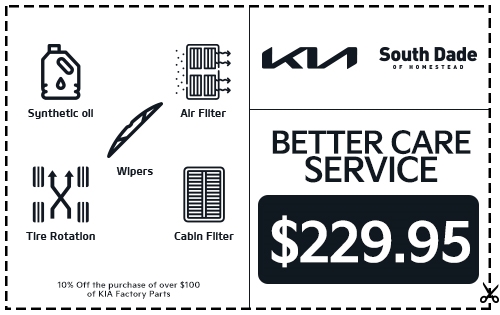
Better Care Service
Included: Synthetic Oil & Filter Change, Tire Rotation, Air & Cabin Filter Replacement, Front Wiper Blades Replacement

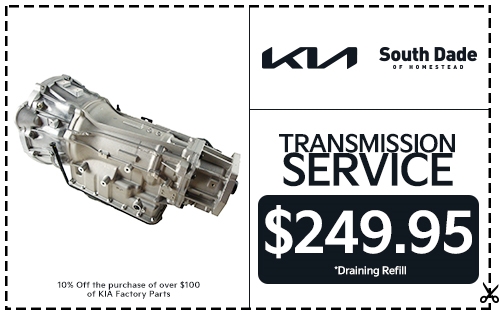

Tire & Wheel Package
Includes: Wheel Alignment, Wheel Rotation & Balance, Multi Point Inspection, Complimentary Battery Check, Complimentary Brake Inspection, Complimentary Tire
Read More